News
A ray of hope for nature, gloomy on climate: Ministers endorse EU Biodiversity Strategy

Sunshine in the San Rafael reserve, southeastern Paraguay © Helen Beynon
Contact: Larissa Milo-Dale or Edel Shanahan
In a positive move for biodiversity, EU Member States endorsed the objectives of the EU 2030 Biodiversity Strategy in the Environment Council’s meeting of 23 October.
Published in May of this year, the EU 2030 Biodiversity Strategy commits to legally protecting at least 30% of the EU’s land and sea area by 2030. At least one-third of this (so at least 10% of the EU’s land and sea) must be under strict protection. Such protection would leave natural processes essentially undisturbed to respect the areas’ ecological requirements although the area may still be accessible to humans.
WWF welcomed the Environment Council’s endorsement as a much-needed beacon of hope after the Council and Parliament shut their eyes to the converging biodiversity and climate crises and agreed an outdated position on the future of the Common Agriculture Policy (CAP) earlier that month.
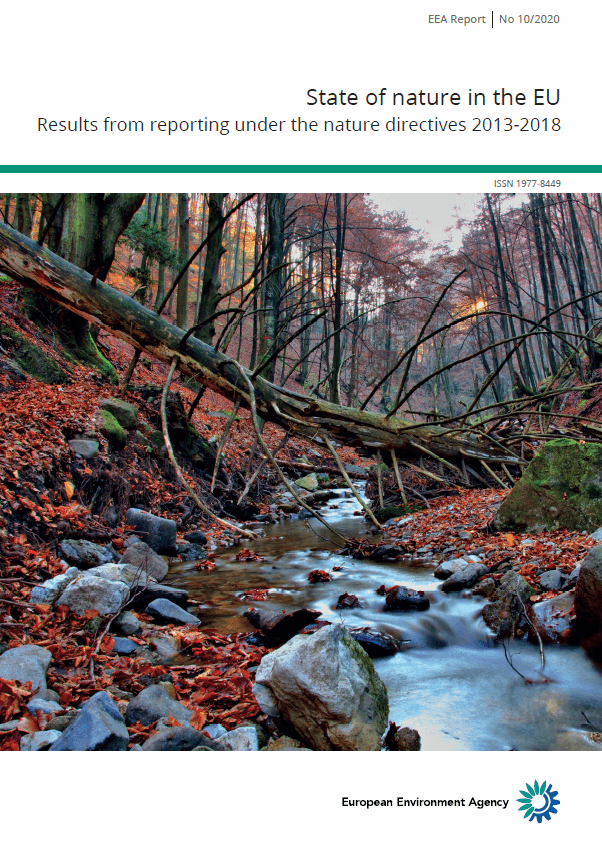
The decision came hot on the heels of the European Environmental Agency’s State of Nature report, which made it painfully clear that the EU is not on track to curb biodiversity loss. Ambitious action – as outlined in the Biodiversity Strategy – is urgently needed to reverse these downwards trends.
Less positively, however, Ministers failed to make real progress on the EU climate law, ignoring the European Parliament’s recent support for a 60% emissions reduction target for 2030.
The Biodiversity Strategy has the potential to trigger the transformative change desperately needed to halt biodiversity loss. With the Strategy endorsed by Member States, WWF calls for focus to be directed to its implementation. Until now, the implementation of targets for nature conservation, restoration and recovery has been weak or non-existent. Among other things, this has left many protected areas as little more than lines drawn on a map. The following must now be key priorities for Member States:
- Make nature restoration a priority for both climate and biodiversity over the coming ten years, by supporting and implementing legally binding targets to restore at least 15% of the EU’s land and sea area;
- Fully endorse and implement the target to protect at least 30% of land and sea and to strictly protect at least 10% of land and sea, including the protection of the remaining old-growth and primary forests;
- Improve the management effectiveness and actual protection of all existing and new protected areas;
- Ensure that the Biodiversity Strategy and its targets are mainstreamed across all policy areas in the national context.
Among our recommendations on the climate law, WWF is calling for a target of at least 65% emissions reductions; the scrapping of policies inconsistent with climate targets; an independent scientific body to scrutinize proposals; and a roadmap to climate neutrality by 2040.
This article is part of the WWF Baltic Newsletter – December 2020