
Land
Humanity's footprint of production and consumption on land is a key driver of nature loss. This calls for a collective movement towards improved nutrient recycling, applying circular economic models and sustainable practices in food production. Because much of the pollution in the Baltic Sea is land-based, tackling the main impacts of land pollution will require a source-to-sea approach.

Why are we concerned?
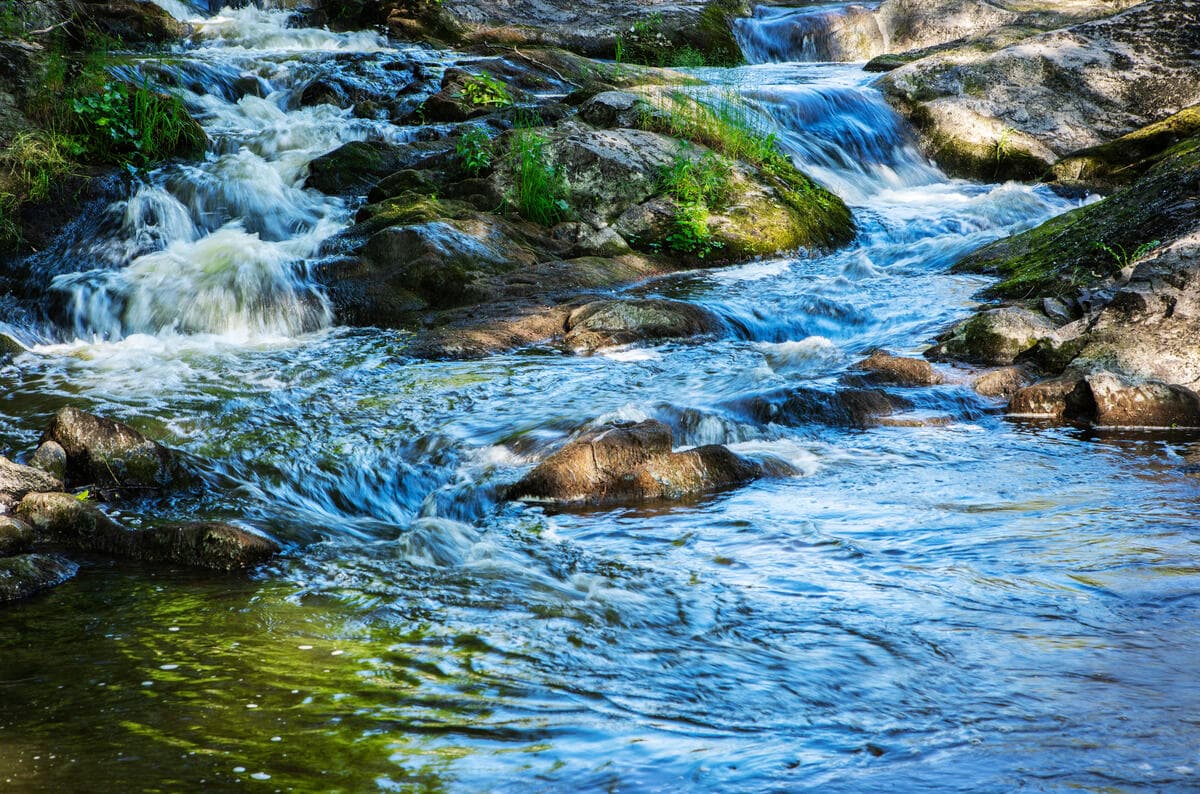
Photo: © Sabrina Bqain, WWF
Eutrophication is a problem in the Baltic
Over 97% of the Baltic Sea area is affected by eutrophication. Eutrophication is the enrichment of nutrients in an ecosystem. Excessive amounts of nutrients in the sea can cause harmful algae blooms and oxygen depletion. So-called ‘dead zones’, devoid of oxygen, are currently covering an area almost twice the size of Denmark. Nutrient runoff from human activities, like agriculture, is severely disrupting the Baltic Sea, to the detriment of marine life and human well-being.

Harmful agricultural subsidies
Many farmers are committed to the environment and greener agricultural methods. But agricultural policy reform is necessary to stop harmful farming practices on a large scale. The most significant drivers of regional agricultural practices are the global market and the subsidies provided by the European Common Agricultural Policy (CAP) which promotes intensified and unsustainable agriculture practices. Financial support for the agricultural sector accounts for almost half of the EU budget.

River dams
Many rivers in the Baltic Sea catchment area are no longer free-flowing due to dams and hydropower plants. This undermines the status of iconic migratory fish species such as the European eel and Baltic salmon stocks, which spend their lives in both the sea and river ecosystems.
Solutions

Source to sea planning and management
Freshwaters cover less than 1% of the earth’s surface, yet rivers, lakes, and freshwater wetlands are home to 10% of all species, including more than half of all fish species. Freshwater ecosystems support human societies and natural processes, including linkages with terrestrial, coastal, and marine environments. Because much of the pollution in the Baltic Sea is land-based, tackling the main impacts of land pollution will require a source-to-sea approach. Happily, many of the worst point sources of pollution have been addressed and significant gains made, including improved wastewater treatment facilities and industry runoff. However, agriculture still accounts for nearly half of all nitrogen and phosphorus input and continues to be a major source of nutrient loading causing eutrophication in the Baltic Sea. We must redesign agriculture and rethink consumption within sustainable limits.
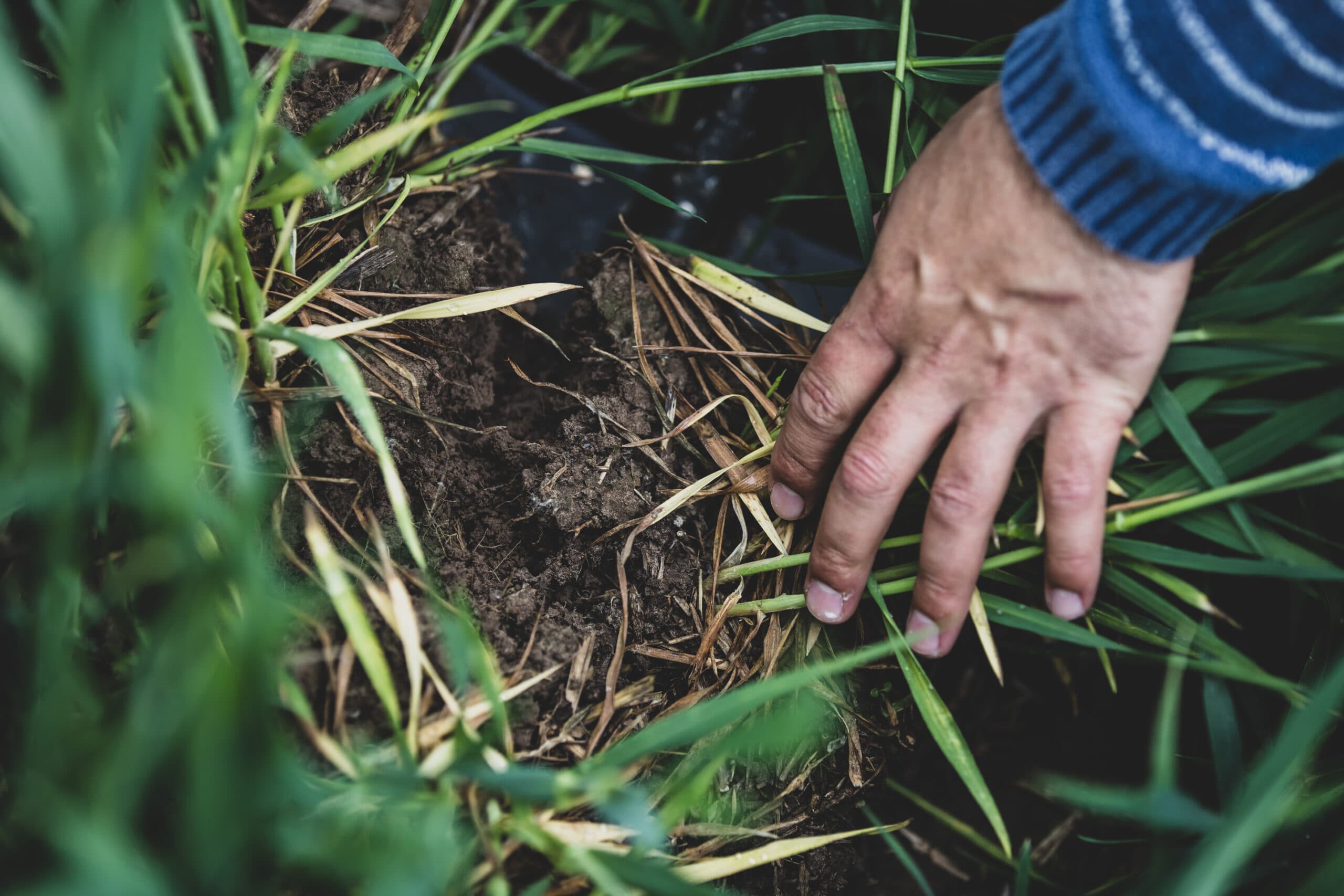
New agricultural policy and practice reform
One solution lies in policy reform and an increase in sustainable farming and land management practices. Working together with farmers to keep nutrients and water on land, use fertilizers more efficiently, and reduce runoff is more important than ever to help preserve and restore critical habitats, protect watersheds, and improve soil health and water quality. It also, of course, provides food and jobs.
What is the WWF Baltic Programme doing?
By 2030, we aim to have public and private stakeholders committed to source-to-sea approaches in water management, sustainable agriculture and safeguarding species and habitats. In cooperation with scientists, civil society, companies, and decision-makers, WWF Baltic is applying wider landscape solutions to promote sustainable water management and free-flowing river systems, as well as to tackle nutrient loading from agriculture to safeguard species and habitats.
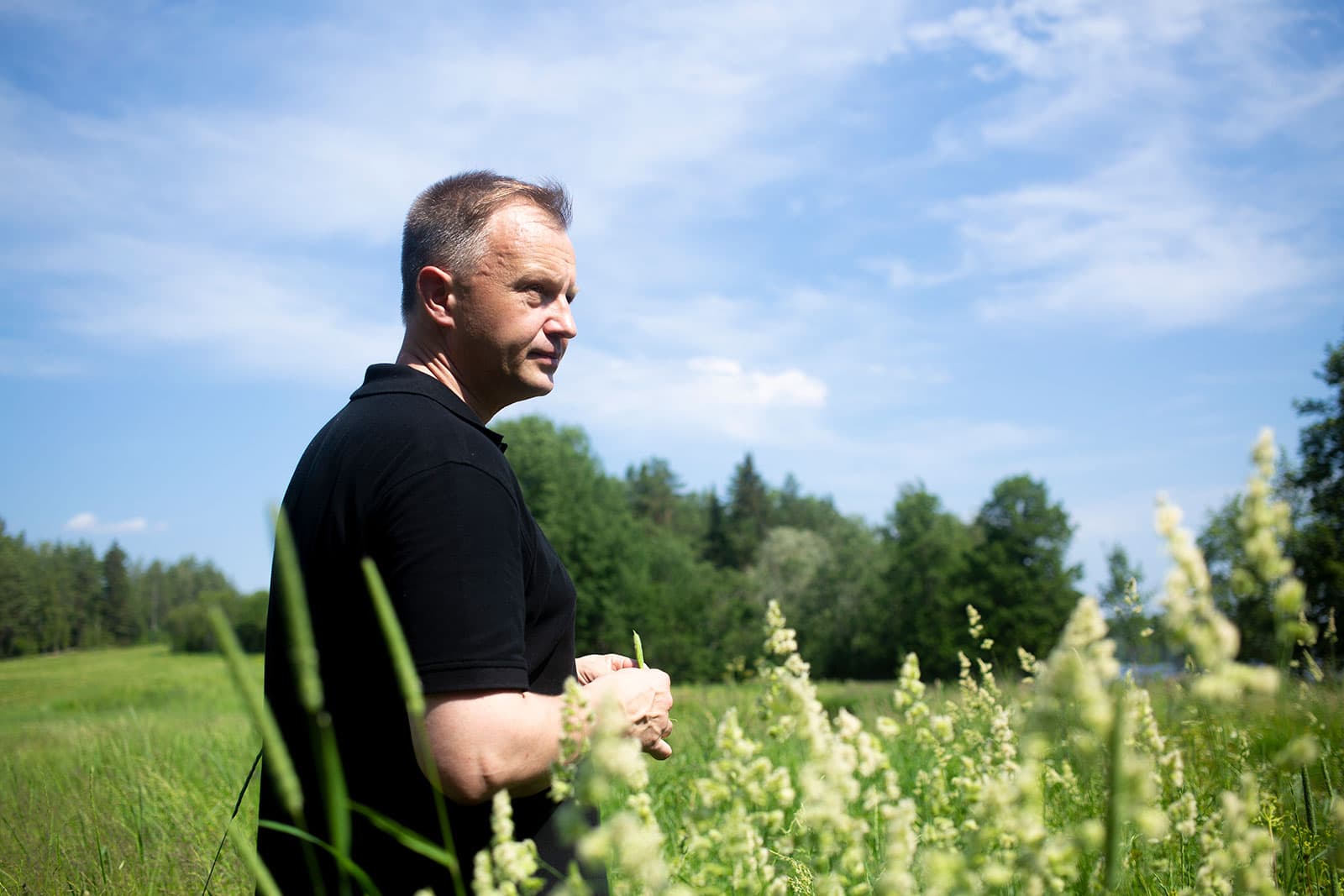
Connecting actors and lifting sustainable farming practices
Addressing nutrient runoff in such a large catchment area over several countries is a challenge. The long-standing WWF Baltic project, the Baltic Sea Farmer Award, shares inspirational examples of farmers leading the way by using sustainable farming practices to keep nutrients in the soil and water on the land, increase the effective use of fertilizers, and reduce runoff into the sea. WWF proposes that sustainable European agriculture can be within reach if these practices continue to be scaled and replicated throughout the region for healthier habitats, and soil water quality, in addition to offering concrete examples for policy change.
Read more
Influencing agricultural policy
WWF Baltic provides a regional voice, raising issues and stimulating dialogue, seeking to harmonize national ambitions for meeting nutrient reduction targets in the HELCOM Baltic Sea Action Plan. We also work toward adapting relevant EU policy into national implementation. For example, we advocate for national Common Agriculture Policy strategic plans to be translated into actions that support sustainable agriculture and water management with financial incentives for farmers to reduce their negative impacts. We also believe that financial incentives such as subsidies should only go to farmers who can prove they are taking concrete measures to reduce nutrient runoff and farm sustainably.
Read moreRelated news

Nature Restoration Law on homestretch after Environment Committee endorsement
Europe needs a Nature Restoration Law fit for purpose, urge 200 NGOs
