
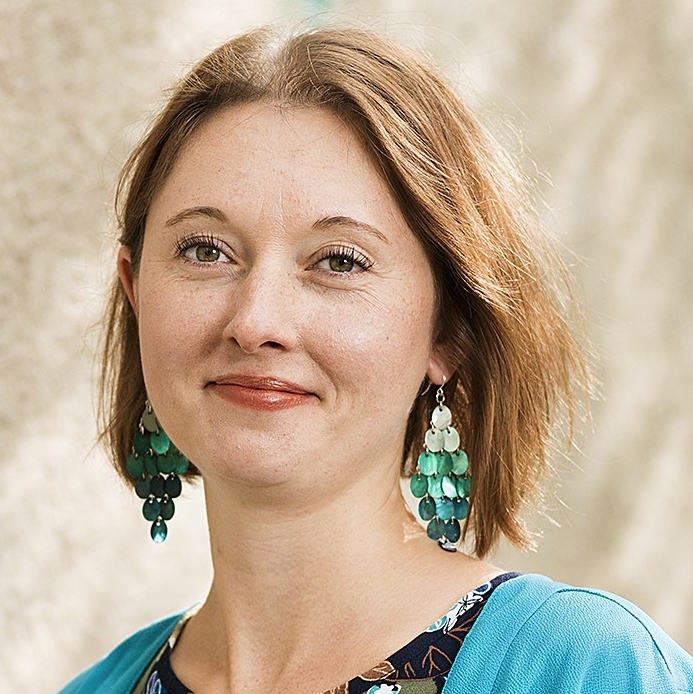
Photo: WWF Finland
Contact: Vanessa Ryan
What is your job title?
Marine Conservation Officer at WWF Finland
What is a typical day’s work for you?
Thankfully, there are many kinds of typical days! My day could consist of attending HELCOM working group meetings, writing statements on the implementation of marine policy and legislation, planning events and seminars, or training volunteers for oil spill response.
What do your kids think you do?
They think that I sit at the computer and “do research on animals”. The 6-year-old also concludes that I make sure that “those crabs” don’t come to our cottage beach (refers to mud crabs), and the 3-year-old enthusiastically agrees and claims that I “rake them out” (not entirely true).
What most inspires you about your work?
The people I get to meet and work with! In this job you sometimes get dragged down by slow progress, and it is important that you surround yourself with people who help charge your batteries. Especially working with volunteers, as I sometimes do when I train people for voluntary oil spill response, is very rewarding. I’m incredibly lucky to be working on something I believe is important and makes a difference.
How do you see the situation of the Baltic in 50 years?
Despite all the challenges that lie ahead of us, I remain optimistic. We humans are incredibly resourceful and innovative when we really want to solve a problem, and I see a lot of good things happening, like the increasing interest in and implementation of nature-based solutions to tackle eutrophication. Having said that, we still need a major shift of mindsets when it comes to de-coupling blue growth from an ever-increasing use of marine and coastal resources and space in order to reach good environmental status of the Baltic Sea.
- Partner: WWF Finland
- Country: Finland
- Active in the Baltic since 1990
- BEP focused staff members: 8 staff
- Main thematic focus: Eutrophication, marine policy (MSFD, BSAP, MPAs), river basin management and nature-based solutions, sustainable fisheries, restoration of migration routes and spawning sites of migratory fishes, oil spill response and oiled wildlife response
This article is part of the WWF Baltic Newsletter – December 2020
