Managing marine activities
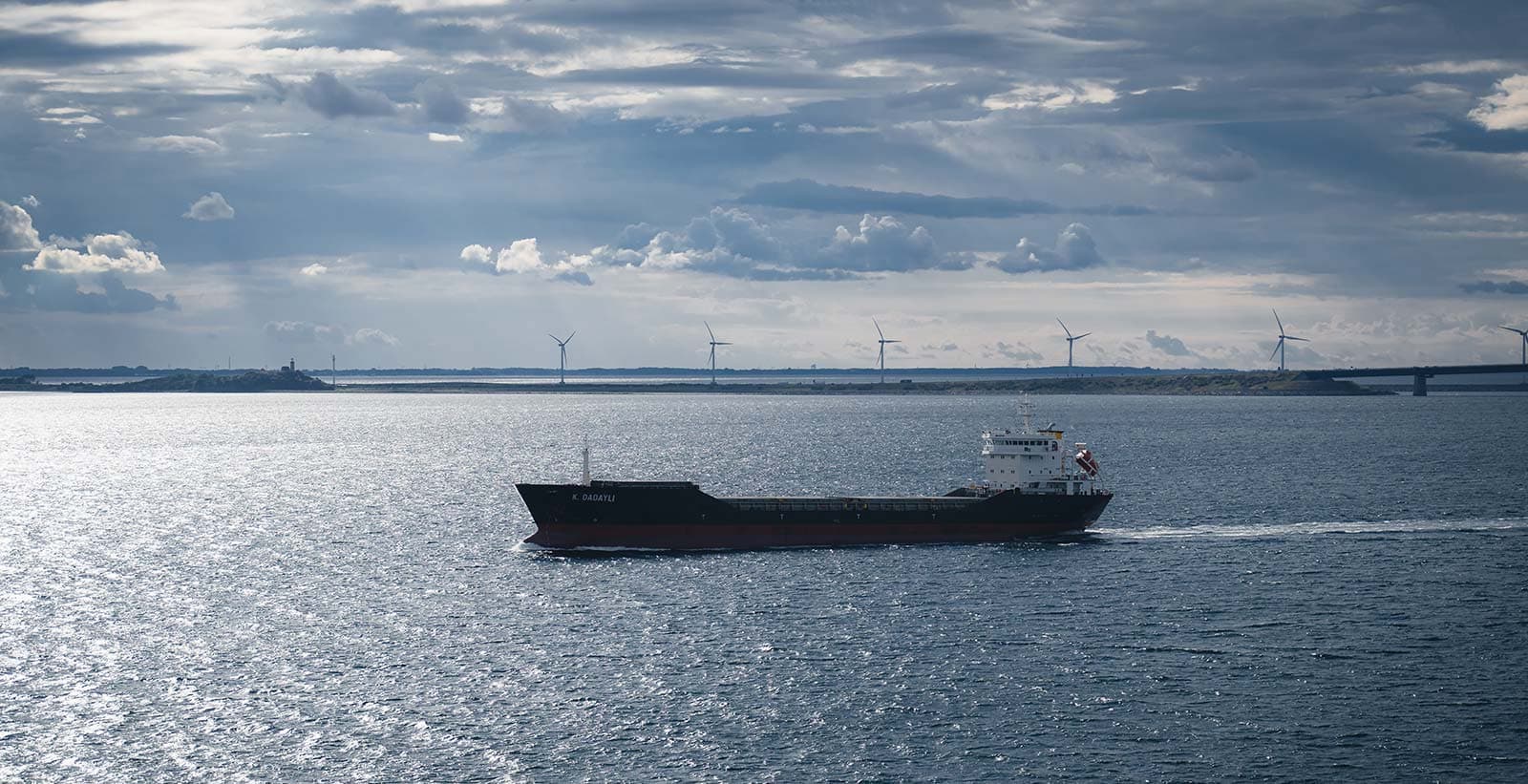
Photo: © Manuel Keller
One of the most intensively used seas on the planet
The Baltic Sea is also known to be of the most intensively used seas on the planet. Marine activities range from fishing to shipping and offshore wind energy – and much more. Almost all of these are projected to increase and expand over the coming 20 years, in some sectors by several hundred per cent.
Maritime spatial planning
What is maritime spatial planning?
Maritime Spatial Planning (MSP) is a future-oriented process that considers all economic sectors and ecological factors related to a marine area and allocates space, both geographically and temporally, to different activities and people whose livelihoods are tied to our seas for the purpose of ensuring a long-term sustainable balance between people and nature.
The objective of these plans is to detail a nation’s strategies for the sustainable management of its marine areas and resources.
Photo: © Germund Sellgren, WWF Sweden
Why are we concerned?
The Maritime Spatial Planning Directive (MSPD) was developed to provide an integrated planning and adaptive approach to how the EU and its Member States (MS), manage human-led activities in their waters. While the MSPD initiated the much-needed conditions and means to support public policy for maritime planning at the national, regional and EU levels, its absence of clear definitions for key concepts of MSP and guidance on steps to follow for establishing national plans has resulted in a disjointed seascape of how MS seek to implement the MSPD, jeopardising the objectives for safeguarding a sustainable balance between nature and human activities across the EU.
What is the WWF Baltic Programme doing?
WWF’s vision is that marine activity in Baltic waters is guided by ecosystem-based MSPs that are well integrated with other marine policies by 2021, to bring together all relevant sectors for sustainable management of the marine environment.
Through our network, we work to assist governments and organisations in MSP application, implementing ecosystem-based integrated ocean management, using the most appropriate and practical spatial conservation tools.
Through better coordination and planning, where space and resources are distributed rationally, conflicts can be reduced, and synergies can be identified. It provides better conditions for both the protection of nature and sustainable development with greater security for investments. The most important thing is that our overall use of the ocean’s resources is always based on a holistic view and based on what can be done so that it does not exceed the capacity of the ecosystem.
BEP published the Baltic EB MSP assessment, and actively lobbies both national and regional policymakers to adopt science-based ecosystem-based marine spatial planning criteria as outlined in our report.
Photo: © Germund Sellgren, WWF Sweden
Marine Protected Areas
What is a marine protected area?
A marine protected area (MPA) is defined as an area designated and effectively managed to protect marine ecosystems, processes, habitats, and species. Well-managed marine protected areas can contribute to the restoration and replenishment of resources for social, economic, and cultural enrichment.
Why are we concerned?

Need networks to protect marine life
Marine Protected Areas are crucial for conserving and restoring ecosystems at sea. Where the sea is well protected, marine life thrives again and local communities can catch more fish, with “spillover” effects to areas of the sea outside the protected zone. These networks fit into an important bigger picture as well. In fully integrated ocean management, networks of MPAs are nested within systems of wider maritime spatial planning that are key to protecting marine biodiversity within a sustainable blue economy.
Lack of connectivity
The location and connectivity of MPAs are also key. We need more MPAs in the “right places” – where the conservation need is most urgent and where their potential to yield benefits to both people and wildlife is highest. Networks of MPAs that are well-designed and managed can boost the health of ecosystems and help turn around the downward trends of marine biodiversity. It is most effective to create networks that protect the range of habitats, biodiversity and zones of high economic value that stretch from the coast to deep offshore areas. WWF’s report, ‘Protecting Our Ocean’, found that MPAs in the Baltic Sea were too few and far apart to successfully connect habitats and species. These areas are thus failing to function together as a network.
What is the WWF Baltic Programme doing?
Our program is focused on the realization of an effective network of MPA across the Baltic Sea to conserve and restore at least 30% of the marine waters by 2030.
In practice, this will mean:
- Increasing the total number of MPAs within the framework of HELCOM;
- Creating a coherent network of protected areas;
- Promoting effective management plans for all MPAs;
- Protecting fish stocks and preserving natural ecosystems by closing certain sea areas for fishing
WWF advocates for the Baltic and all EU Member States to ensure their maritime spatial plans secure sufficient space for nature to recover and thrive. This includes leaving offshore renewable energy development out of Marine Protected Areas and establishing transboundary cooperation between Member States to reduce harmful impacts on nature from this type of infrastructure. The BEP is working to create larger and more coherent MPAs to better enable marine biodiversity to thrive undisturbed.
