Sustainable Farming
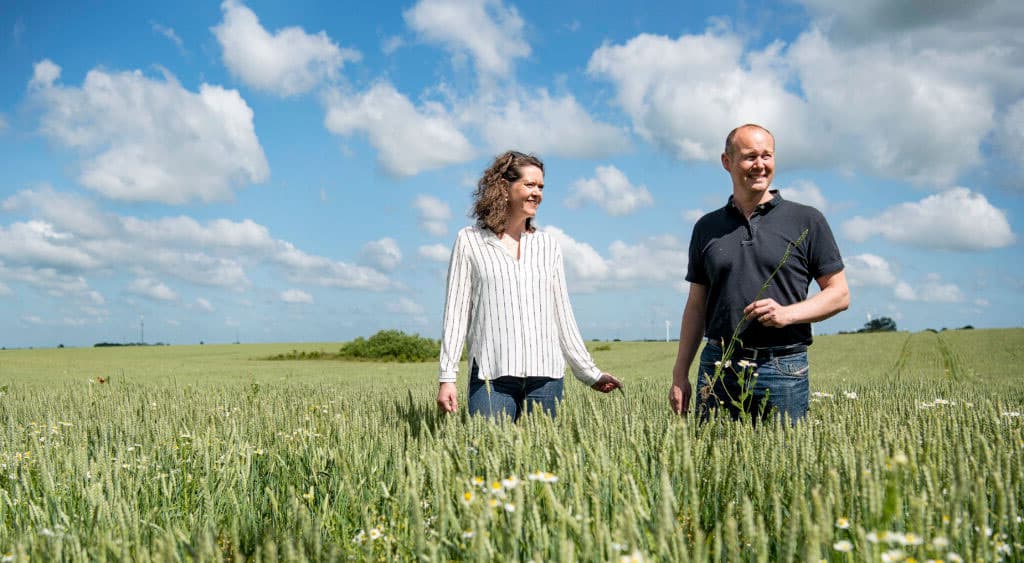
Why are we concerned?
Addressing nutrient runoff in such a large catchment area over several countries is a challenge. Agricultural loads mostly originate from non-point sources and are discharged over a wide area of land. Furthermore, farming in the Baltic Sea varies from country to country. Climate, soil, water, and socio-economic circumstances differ, making it difficult to find solutions that fit the whole catchment.
A recent trend indicates a structural transformation of Baltic agriculture. Largely driven by technological advances and profit incentives, farms around the Baltic Sea are becoming more specialized and larger and fewer in number. A significant increase in manure and other fertilizers is one potential environmental consequence of this and, if mismanaged, can further exacerbate the problem of eutrophication.
Intensifying the challenge is the disconnect between the actors in the Baltic food chain, from farmers to grocery retailers. There is a need to work together across the entire food chain to reduce nutrient leakage into our waterways, lakes and seas. More circular and efficient use of plant nutrition in agriculture and the food chain can lead to a healthier Baltic sea and strengthened competitiveness of Baltic Sea-friendly and circular agriculture.
What is the WWF Baltic Programme doing?
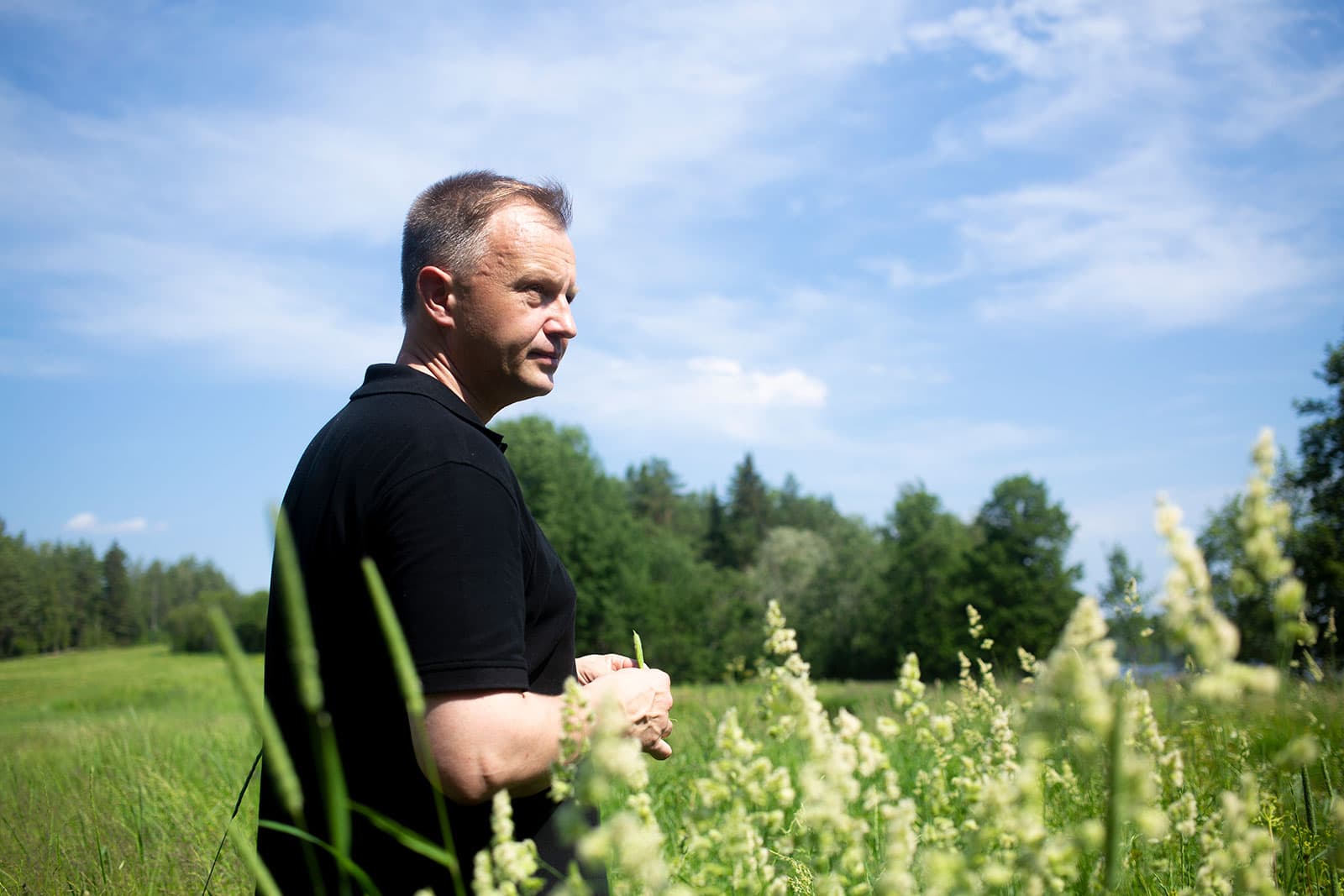
Promoting sustainable agriculture – the Baltic Sea Farmer Competition
A major solution to the problem of eutrophication is the adoption of more sustainable farming practices. This includes methods focused on keeping nutrients and water on land, utilizing fertilizers more efficiently, and reducing runoff. Together with farmers and other experts across the region, WWF has identified a number of key sustainable farming practices that make a difference.
Read more
Working together for a healthier Baltic Sea and a circular food chain – Baltic Stewardship Initiative
Through multi-stakeholder dialogue, this initiative aims to shift the market chain toward sustainable production practices, in collaboration with the farming sector. The Baltic Stewardship Initiative is being piloted in Sweden with the involvement of alumni from our Farmer of the Year Award competition, and with the long-term goal of involving actors in all nine countries around the Baltic Sea.
Read more