
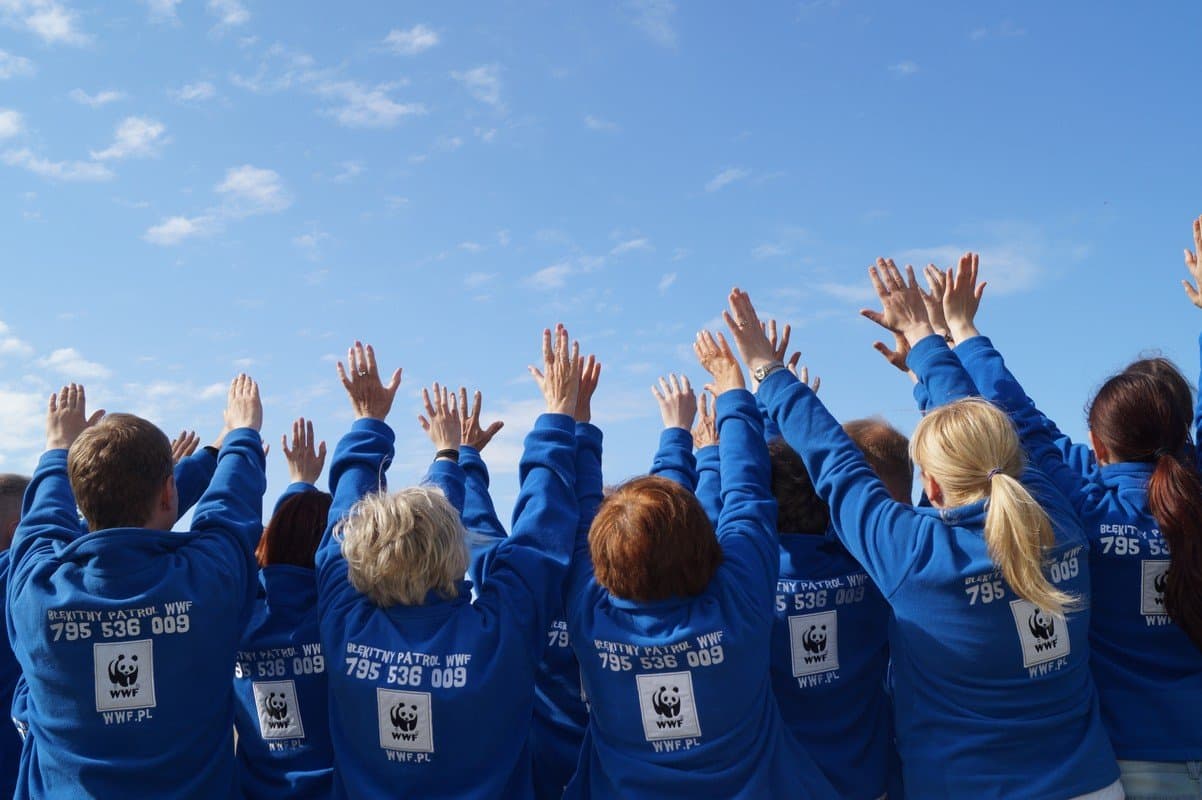
Blue Patrol, a Poland based volunteer group focuses their efforts on rescuing and returning seals to the sea. Photo: Blue Patrol
Contact: Magdalena Melaniuk
Strolling along the Polish seashore, you can spot people in recognizable blue uniforms, looking closely out over the Baltic Sea. These are WWF’s Blue Patrol volunteers who have been on the front line of helping marine animals since 2010. The first 42 volunteers bravely paved the way for the now 200 members, a decade later.
Blue Patrol volunteers are recruited from local communities living close to the coast. It is a pioneer activity in terms of social involvement in nature conservation The Blues, as they are called in Poland, monitor the whole coastline. They are looking for Baltic mammals – especially the grey seal and harbour porpoise – and rare species of marine birds such as the ringed plover, common tern, sandwich tern, little tern and oystercatcher. The data from all observations regularly go into a database, which is a comprehensive source of information on the occurrence of Baltic animals.
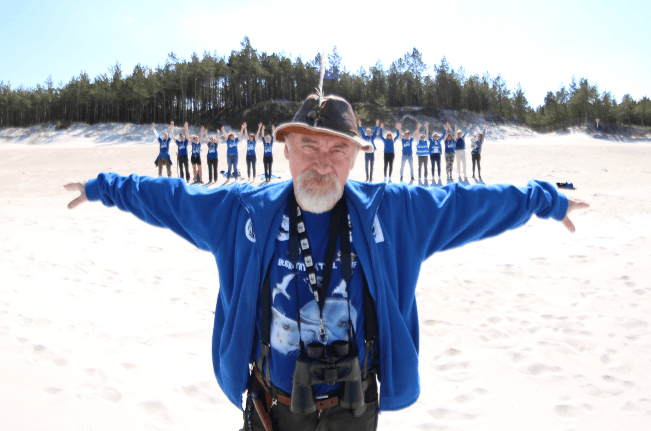
Photo: Blue Patrol
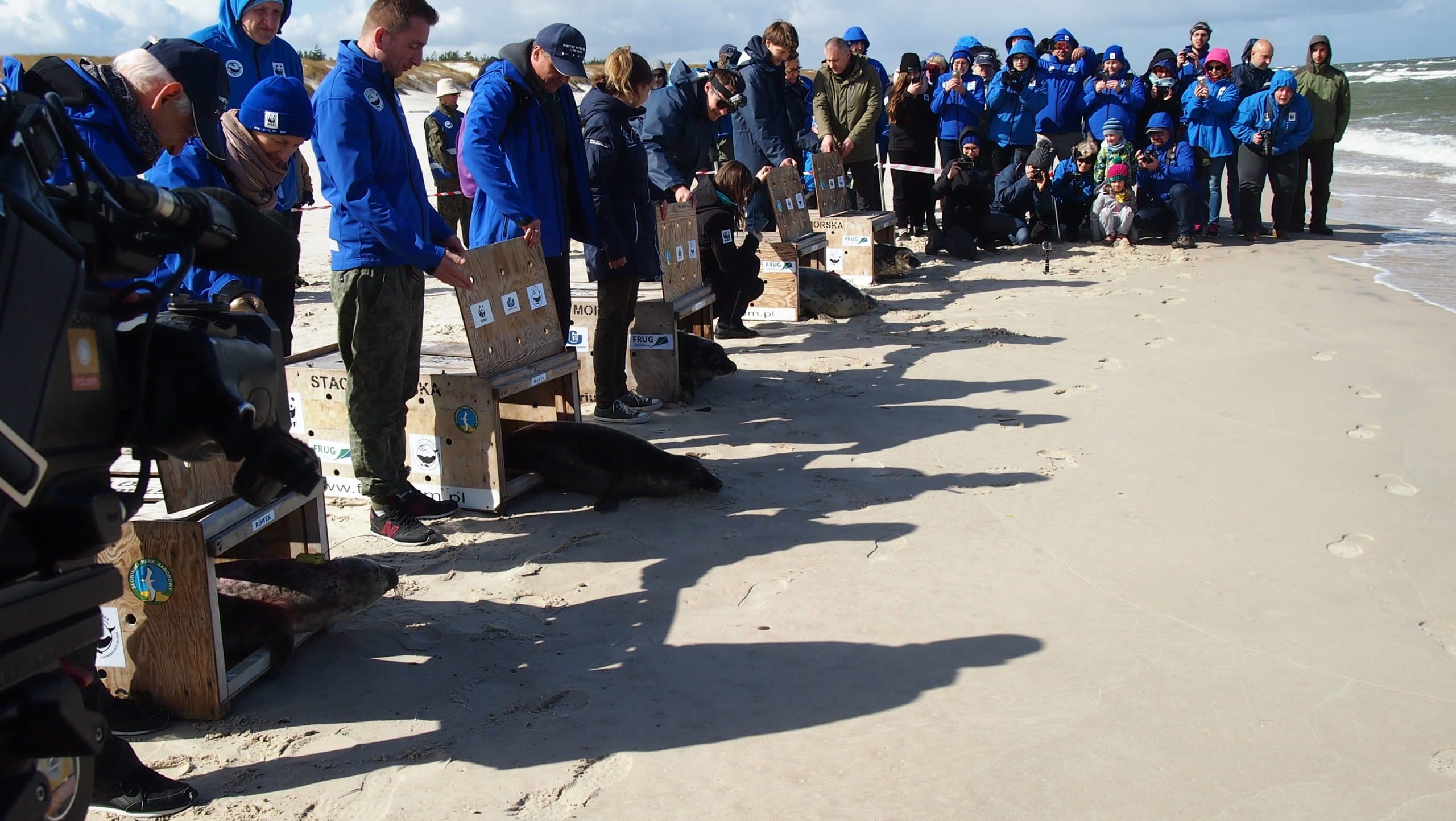
Photo: Blue Patrol
The volunteers are the first responders for animals in need. Every tourist or local resident can call a hotline opened specifically to report animals like seals or birds on the beach. In 2019 alone, our volunteers marched more than 230,000 km along Polish beaches in response to such calls, leading to:
Rescue of 66 seal pups – Every pup that is sick or in bad shape is taken to the Hel Marine Station for treatment. On recovery, the healthy seal can go back to the sea.
Over 100 cases of secured seals on the beach – The Patrol ensures appropriate conditions for every individual, e.g. letting them rest undisturbed by people on the beach. Unfortunately, they are often called to dead animals, in which case they take blubber samples for genetic research.
78 clutches of ring plover eggs and about 150 hatchlings – Alongside Kuling, a water bird study group, Patrol volunteers installed anti-predator baskets custom-made for ring plovers. The baskets provided effective protection during the incubation period.
Blue Patrol volunteers also promote knowledge about Baltic mammals and birds through educational activities in schools and social events organized along the coast. Thanks to them, tourists and residents of seaside towns can learn about the biology, habits and protection of grey seals, porpoises and birds breeding on beaches.
The Patrol has a real impact on the marine animal population. We celebrate our first decade and continue forward to new challenges!
Blue Patrol in numbers:
- Half men, Half women
- The youngest volunteer is 12 and the oldest 78 years old
- Professions: teachers, fishers, students, retired
This article is part of the WWF Baltic Newsletter – May 2020


