
Contact: Ottilia Thoreson
To date, marine protected areas (MPAs) in the Baltic Sea are poorly protected from human activities. The EU Birds and Habitats Directives are aimed at protecting sensitive species and habitats through a network of special areas of conservation, also known as ‘Natura 2000 sites’. Member states are required to take protective measures to fulfil the Directives in their national waters. However when these measures relate to fishing, member states have no competency – fishing is instead regulated under the EU Common Fisheries Policy.
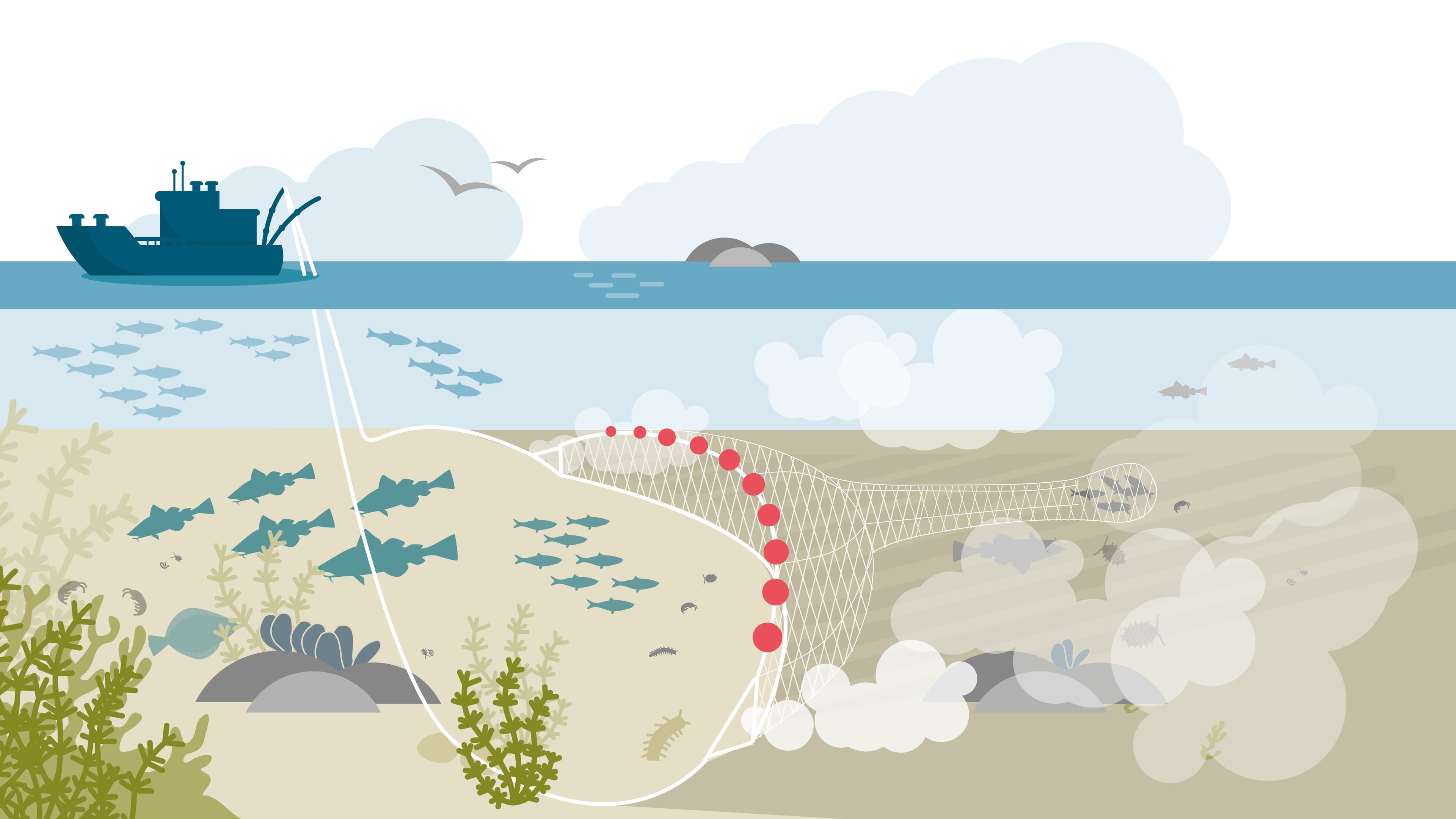
The highest intensity of bottom trawling in the Baltic is concentrated in Kattegat and across the southwest of the Baltic Proper. In these areas, 80-100% of the seafloor has been disturbed. Trawling has heavily impacted the seabed habitats and overall ecosystem, resulting in major changes in the composition of biodiversity in regularly trawled areas. In an effort to reduce the fishing impacts, in four marine Natura 2000 sites – Fladen, Lilla Middelgrund, Stora Middelgrund and Röde Bank, and Morups Bank – Sweden, together with Denmark and Germany, is proposing new fisheries regulations to the European Commission. This includes different types of fishing-free zones and allowing only for certain types of gear to be used within the protected areas. Such gear includes pots, handline and pelagic trawl, which have less impact on the surrounding ecosystem.
As shown in WWF’s report, bottom trawling not only damages seabed structures, it causes reduced biodiversity and changes in species composition and survival, impacting the overall food web. All of this is evident in the Kattegat. Gillnet fishing also has negative ecosystem impacts via bycatch of seabirds and marine mammals. These should also be limited.
For the measures to be effective, cross-border agreements with Denmark and Germany who fish the same waters as Sweden, are essential. In drafting a joint recommendation by the affected member states, it has proven a challenge to reach agreement on restricting fishing in protected areas and set fishing free zones.
To meet international targets, the Danish Society for Nature Conservation and the Danish Fishermen Producer Organisation have proposed to the Danish government areas covering 10% of the Danish waters in North Sea, Skagerrak and the Baltic Sea around Bornholm for strict protection. Kattegat was not included. Reduction of fishing effort and strict protection is likely to be beneficial regarding the economic and social opportunities for the industry and coastal communities.
Natura 2000 sites and endangered species in the Kattegat:
- Real protection of predatory fish, marine mammals and valuable environments is crucial for sustainable marine management, which in turn creates the conditions for viable fisheries in the future.
- The cod stock in the Kattegat has been overfished and shows little signs of recovery. Any hope of healthy cod populations depends on habitat protection.
- The Baltic harbour porpoise is protected through the EU Habitats Directive, is classified as ‘critically endangered’ by the IUCN, and has been protected in Swedish waters since 1973. Both porpoises and seabirds get caught in fishing nets as bycatch.
- The offshore banks, especially Lilla Middelgrund, are important foraging areas for seabirds during autumn and winter.
- Trawling leads to fewer species in seabed habitats and changes in species composition. Bottom trawls also stir up sediments that can lead to organisms being buried and filter feeding species being suffocated.
This article is part of the WWF Baltic Newsletter – May 2021


