
Contact: Kertu Hool
A layer of snow covered the spongy, wet earth in the mires of Estonia’s Natura 2000 sites as hundreds of hikers strapped on their snowshoes and prepared for a day exploring the wetlands. This was the much anticipated opening of 70 nature trips into the Estonian wetlands around World Wetlands Day in February 2021. It was jointly planned by the Estonian Fund for Nature (ELF) and the Estonian Nature Tourism Association.
BEP partner ELF has been involved in the LIFE Mires Estonia project since 2015 with the dual aim of stopping habitat degradation caused by drainage and regenerating wetlands and mires. Activities to engage visitors and increase their awareness and knowledge of the role and value of mires for the environment and climate have helped influence the attitudes of local inhabitants towards safeguarding internationally valuable wetlands and improved their understanding of current nature conservation issues.
The hikes took people to Estonian Ramsar and Natura 2000 areas and smaller, locally important sites. As the weather was bright and snowy, the hikes were mainly done by snowshoe or kick-sleds, as well as on skis and even with sled dogs.
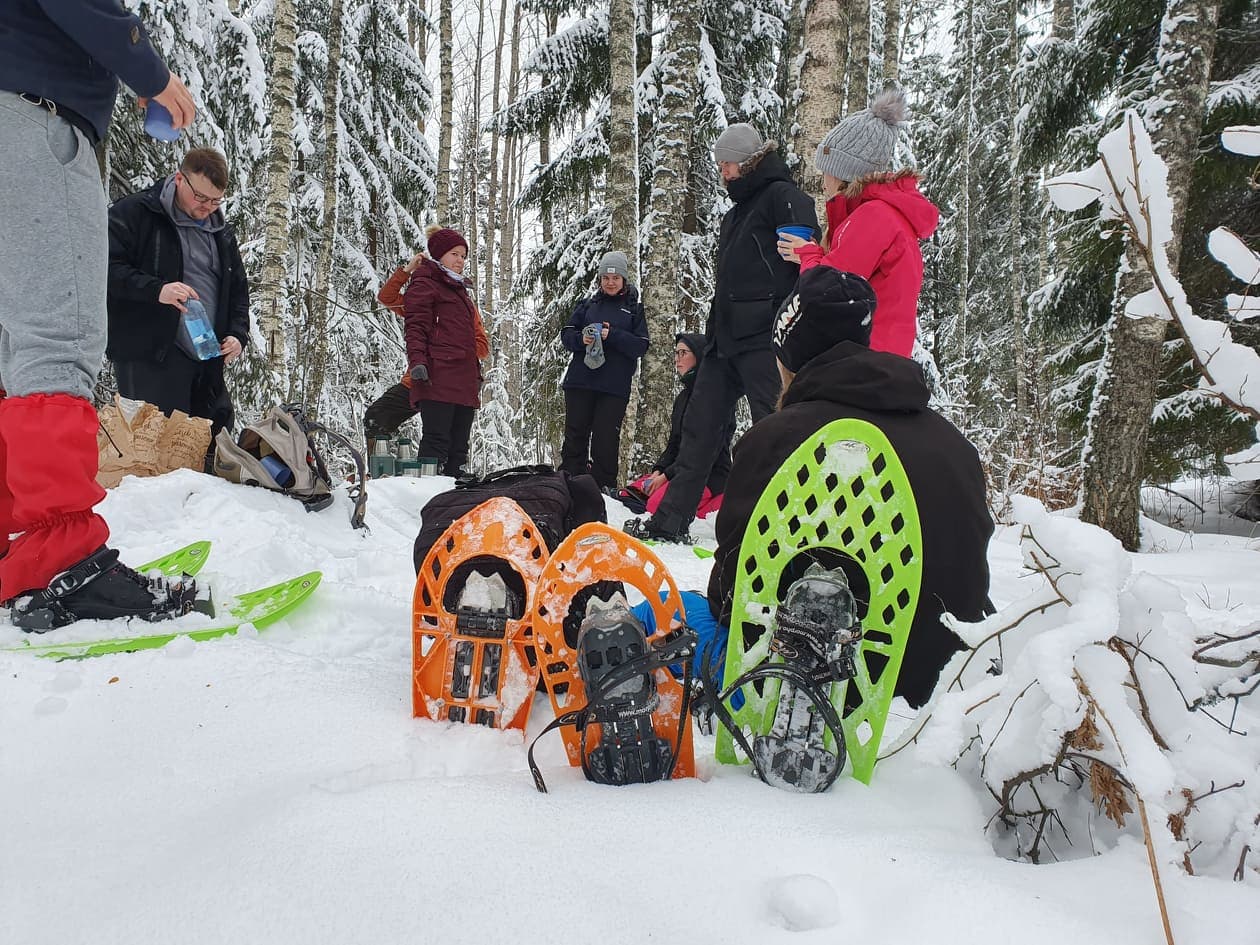
Hiking with snow in Sirtsi nature conservation area that has wonderful mires. Photo: Bert Rähni.
Eleven hikes were organized to local communities via the LIFE project Piloting Natura 2000 Communication in Estonia, and two hikes were organized to wetland restoration sites of the project LIFE Mires Estonia. In keeping with pandemic rules, outdoor groups were limited to ten people. In total about 700 people took part in Estonian or Russian-speaking groups to hike in mires, bogs, coastal wetlands, and along lakes and rivers.
In the run-up a Zoom seminar was held for the nature hike organizers. It covered the Ramsar Convention, the EU Birds and Habitat Directives, and rules to protect nature, and featured a discussion on how to use these designations as quality labels for nature tourism.
The Ramsar Convention on Wetlands was launched in 1971 in Ramsar, Iran and went into force in 1975. It is a global environmental treaty aimed at “the conservation and wise use of all wetlands through local, regional and national actions and international cooperation, as a contribution towards achieving sustainable development throughout the world”.
Wetlands in the media
ELF asked all Estonian environmental organizations and state institutions to team up on wetland-related media work which generated a lot of media attention. Television reporters from TV3 & Kanal2 Reporter visited the hikes and Terevison, Ringvaade, Hommik Anuga interviewed ELF in their studios. Numerous radio shows also invited us to speak, while the Environmental Board wrote articles in local newspapers about wetlands. The Russian media also covered the Russian-language hikes.
#WorldWetlandsDay #Inseparable #astusohu #märgatudmärgalal #märgaladepäev
Many organizers registered their hikes on the official World Wetlands Day website, as well as posting their own Facebook event. Six organizations posted social media content about World Wetlands Day and shared information, mirroring and amplifying each other’s messages along with the content that was uploaded by hikers themselves such as photo albums and videos from different wetlands and happy people.
“It was a real thrill to organize this event in the middle of winter and the pandemic, and to see happy faces returning from freezing wetlands.”
Kertu Hool, Estonian Fund for Nature
Mires in Estonia have been severely damaged by drainage for agriculture, forestry and peat extraction. Lower water levels have allowed trees and shrubs to intrude, crowding out the typical Estonian fen mosses. The mires are crucial for protecting biodiversity by creating habitats for important wetlands species such as the western capercaillie (Tetrao urogallus), the moor frog (Rana arvalis) and dragonflies (Leucorrhinia). Acting as major carbon sinks, the mire habitats also provide significant climate change mitigation services. Mires further contribute to water retention and regulate the water balance, which directly impacts the surrounding land and protects local communities and other habitats further downstream. Yet despite the clear benefits for biodiversity, climate and people alike, mires are becoming rare and degraded across the EU.
This article is part of the WWF Baltic Newsletter – May 2021

